
Julian Ash
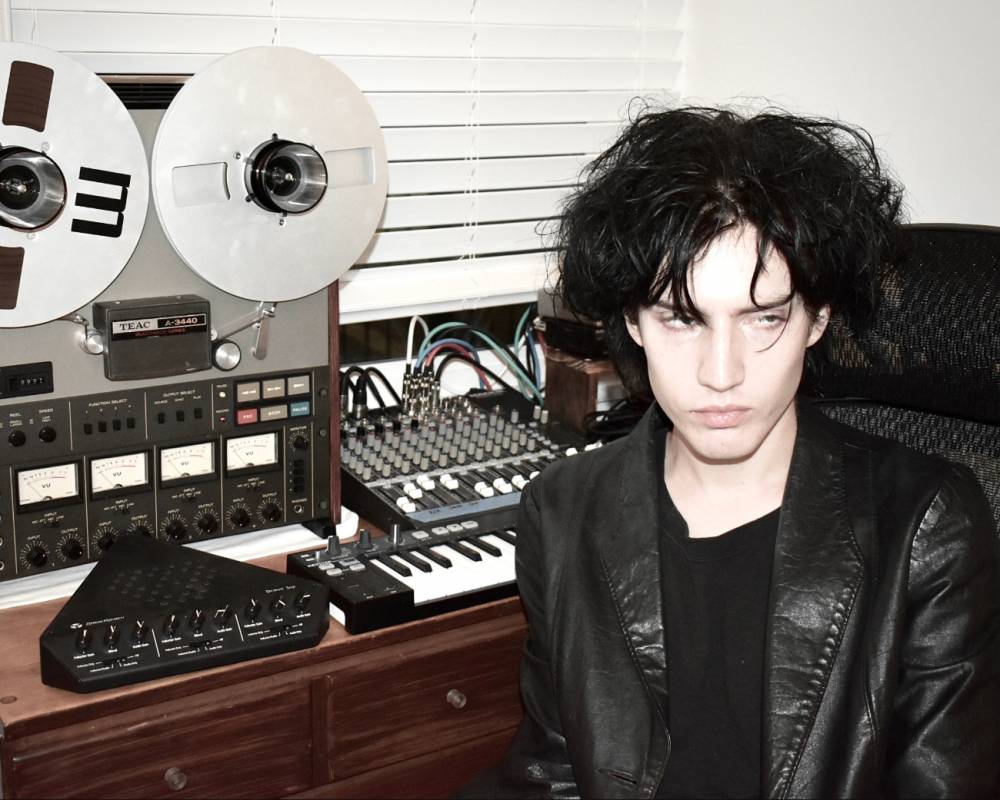
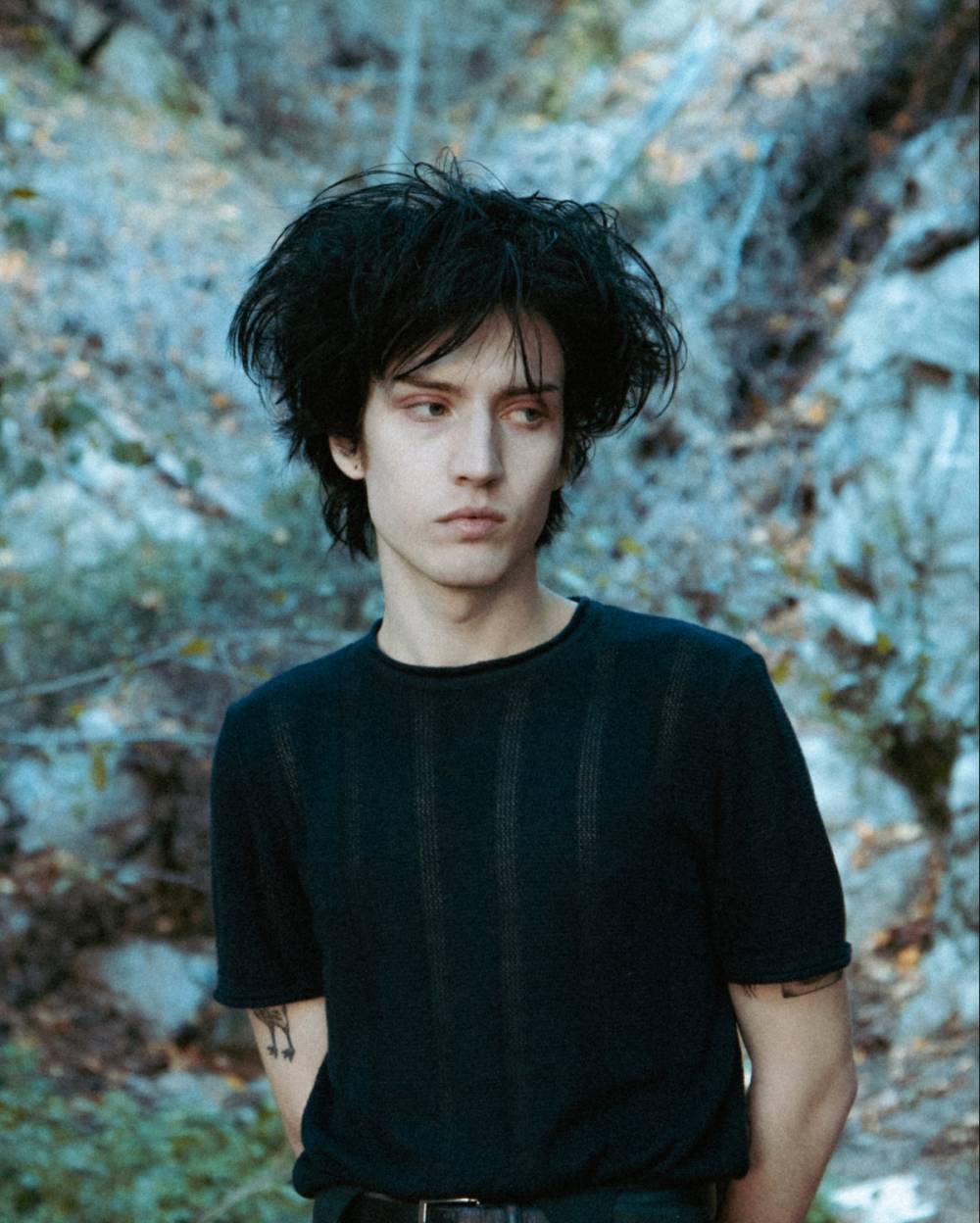
Julian Ash returns with Omnihell, opening a new chapter that feels deliberately more exposed, more human, and quietly heavier in its emotional weight. Known to many through his previous project "Harsh Symmetry", Ash shifts here toward a lo-fi, tape-driven approach where imperfections are embraced and songwriting takes center stage. We had the opportunity to listen to "Extreme Suffering" in its entirety ahead of its official release, scheduled for February 20, 2026, and what emerges is an album that unfolds slowly, balancing vulnerability and intensity, drawing from early pop and alternative structures while stripping away excess electronics in favor of raw, lived-in performances.
Recorded live to tape and shaped by a year of reflection and personal change, Omnihell’s sound feels intimate and unguarded, allowing space for interpretation rather than fixed meanings. Beneath its darker surface lies a subtle sense of hope, music meant not to explain itself, but to quietly accompany the listener, returning again and again as part of everyday life. For now, the first glimpse into this world comes through two singles “Kurushimi” and "Leeches", tracks that already hint at the emotional depth and restraint that define the album as a whole.
Below, you’ll find our conversation with Julian Ash, discussing "Extreme Suffering", his transition from "Harsh Symmetry", and the lo-fi philosophy behind this new project.
The Basement: Your new album Extreme Suffering is set for release on February 20. Can you tell us how this record came into existence? Was there a specific moment or experience that sparked it?
No specific experience sparked the conception of Extreme Suffering. I spent the last year growing, reflecting and doing what a lot of musicians and artists forget to do, living life. I tried to broadly pull from the world around me and concepts that were heavily on my mind as I was changing. By the time I actually sat down to record in June, I felt like my entire perspective on songwriting had shifted. I wanted to extend that shift to the recording process, hence the album being produced on tape, with fewer electronic instruments. This all led me to some interesting places, I think.
The Basement: From your previous project Harsh Symmetry to Omnihell, do you see a clear continuation, or did this feel like a necessary break and a new chapter altogether?
This is a new chapter altogether. Any parallels drawn between Harsh Symmetry and Omnihell sonically are likely just the fact that it's the same singer. I don't intend to keep multiple projects going at once. I felt that the sound of Extreme Suffering and where it is coming from is so different from Harsh Symmetry that it needed to be a different project. I wanted to respect the original vision of Harsh Symmetry by not putting this music there. Ultimately though, that's for the world to decide. All I do is make the music that I need to make and give it to the world.
The Basement: Extreme Suffering sits firmly within an industrial / darkwave framework, but it also feels very internal and emotionally exposed. How conscious were you of balancing intensity with vulnerability while writing this album?
I don't quite consider it industrial or darkwave, I don't really listen to darkwave but I can say that a lot of the songwriting was influenced by early pop and alternative music. Everyone seems to hear something different in it and I like that. I always try to balance vulnerability and intensity, but this album is certainly the most exposed I have ever let myself be. Music and its presentation is always a balancing act; you want to express yourself and your ideas without being completely direct, so you add layers of abstraction. I think with this album I found the courage and conviction to balance those elements.
The Basement: When working on tracks like “Kurushimi”, what matters more to you, Communicating something specific, or creating an atmosphere that each listener can interpret in their own way?
I will always prioritize creating a song that people can interpret in their own way. I want the value of the song to be the relationship the listener has with it. If I've made something that finds a place in someone's day to day life, something they keep returning to, then I feel I've succeeded. I think the artist can banish a lot of the potential people have to form unique connections to a piece of art by clearly explaining what it means. That being said, the lyrics of “Kurushimi” stem from personal experiences of mine, and it speaks to a lot of the broader intentions of the album.
The Basement: Sound design and production seem central to your work. What elements do you focus on most when shaping a track, and how has that approach evolved since your Harsh Symmetry days?
My approach to production and sound design this time around was entirely different. Much simpler, no looping or sequencing of any kind. Everything was played live by hand as it was recorded on tape. This approach forced me to be more thoughtful with writing and arranging for sure. I also learned to play drums a couple of months prior to making the record. Most of this did nothing to help the actual sound of the album, in fact, a lot of it is a bit rough around the edges. Ιt really helped me get out of my old ways of doing things, and I was pleasantly surprised by that!
The Basement: Los Angeles has a strong and diverse underground electronic and industrial scene. How has living and creating there influenced your sound or creative mindset?
Los Angeles is an amazing city for an artist to be in, but it depends on what you hope to get out of the city. Living here probably had no effect on the sound of my music. I don't want any place I live in to influence my character. I don't really interact with music scenes, and my growth as an artist has been done in solitude. I don't care what other people are doing, but the city definitely gives me the energy to create and express myself.
The Basement: Are there albums or artists that you feel have shaped you deeply as a musician, either within the scene or beyond it? Are there influences that you hear more clearly in Extreme Suffering?
I think the most influential album in my musical identity is The Idiot by Iggy Pop. I listen to all kinds of music, and there are countless albums that have probably subconsciously shaped my musical sensibilities. I think the influences on the sound of Extreme Suffering range everywhere from Björk to Ramones to video game soundtracks. That's what I was mostly listening to at the time at least, the listener will have to decide and contend with its more eclectic elements.
The Basement: Finally, what would you like listeners to take away from Extreme Suffering, a feeling, an image, or a particular state of mind?
I want the listener to take something hopeful from the album. Its apparent nihilism is only skin-deep and an aesthetic choice. I hope people can enjoy the music at face value, and I hope they use art as a weapon against a lot of the negativity and nihilism in our world right now. That's all, music exists to help people make sense of life.
The Basement: Thank you so much Julian! It was a pleasure talking to you!